
An unusual fog seems to wrap around a local tea stall on Delhi-Chandigarh Highway or what is also famously known as the Grand Trunk Road. One of the oldest cross-nation highways that has its end in Afghanistan.
As soon as one enters the stall and makes their way to the back of it, a foul mix of smell of brake oil and dust and a lot of chatter pierce through this dense fog. The tea stall’s only bulb is the light available for those who are yet to be seen. Kettles whistling, clothes on a rope line and borrowed jute beds comfort those who sit there. Behind them sits a huge pool of trucks, lorries and containers that are yet to be moved to different parts of the country. A scene that may encourage the economists but one that scares healthcare workers.
However, while these truckers can sip piping hot tea and talk about their previous pan-Indian journeys, they are unaware that they may be potential carriers of a human immunodeficiency virus (HIV) and if left untreated (AIDS) which destroys them, the sex worker that they’d be able to get hold of in just under Rs 30 and their wives and in many cases, their yet to be born offsprings.
But, blaming all this on those who form the backbone of the Indian economy is a little too harsh. Instead, the country must look at the risk factors that contribute to and even hurry the spread of HIV/AIDS through truckers. Unsafe sex and low condom use, men who have sex with men (MSM), Infected injections of drugs, migration and mobility and low status of women and most importantly wide-spread stigma, all contribute to the ever fast-paced of this disease in India.

Tracing HIV/AIDS In India
India isn’t the most populated country in the world by luck, we always knew what had to be done at night, on hard beds and in a cozy environment. But, all of the sex India does is good and bad in its respect, yet, the bad is ugly. We chose to hide behind our image of god-fearing people and no disease can touch us if we do get a whisker of the virus spreading in our land. Had it not been for Sellappan Nirmala, a 32-year-old microbiology student in 1985 who discovered that HIV/AIDS was indeed already on the spread in India, the country would have been centuries behind in containing it. And, no one in India knew anything about this virus, because the great leader of the West, the United States, had also discovered this virus just 3 years ago. And, if 3 years for the US is enough to find a cure, it turns out that 3 decades aren’t enough for a cure to be found.

It was hugely believed that sex customers who traveled abroad, especially to East Africa were the carriers of the disease, by 1987 the government had enacted the National AIDS Program to contain the disease and teach safe-sex techniques including the use of contraception.
The government established the NACO (National AIDS Control Organization) and NACP (the National AIDS Control Program) to oversee policies related to HIV and AIDS prevention in 1992. In addition, SACs (State AIDS Control Societies) were set up to support blood safety.
A second phase (NACP II) emerged in 1999. This second phase promoted behavior change to hinder the spread of HIV such as a program for preventing transmission from mothers to children and providing antiretroviral treatment generally.
Despite these efforts, this virus was successful to stay under the radar and spread as far as its carriers took it.
Now, what do current figures look like?
As of 2021, 38.4 million people in the world are HIV positive out of which 2.4 million live in India. Maharashtra has the maximum number of infected people (3, 94,007) followed by Andhra Pradesh at 3,21, 028 infected people and the inline are Karnataka, Uttar Pradesh and Tamil Nadu.
Another hair-raising number is that in five states of India namely Andhra Pradesh, Mizoram, Karnataka, Delhi, Manipur and Maharastra, more than half the districts have more than 5000 HIV-positive people.
These numbers are the government’s 2021 statistics and provide a grim reality of disease control in India (if COVID-19 hasn’t exposed that already), the lack of primary care and efficient teaching and learning structure on safe sex practices.

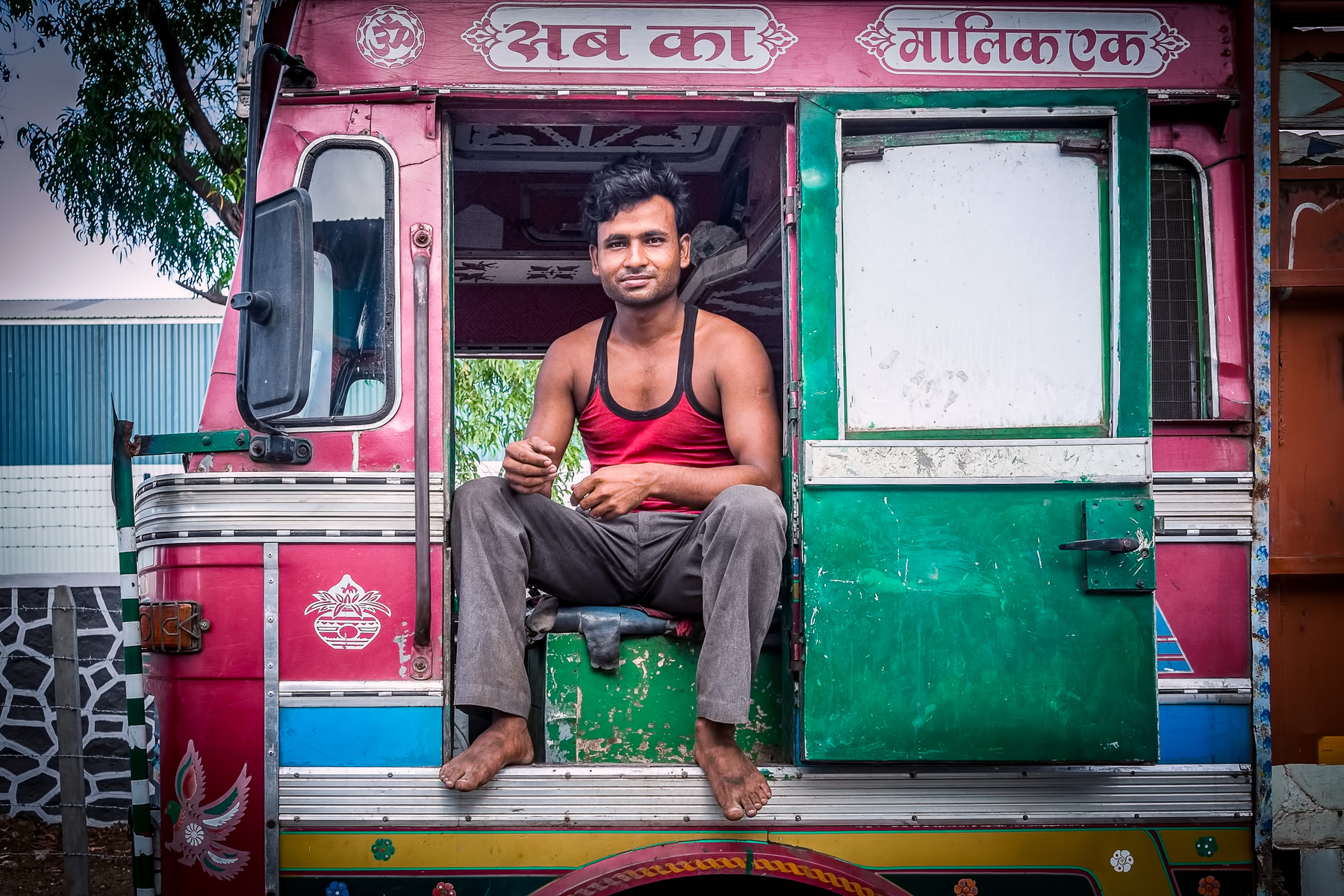
This is further spread to the states which have low rates by truck drivers who do long-haul journeys. These drivers are not just exposed themself but they also pass it on to sex workers, their wives, and children at home and even introduce the virus to the healthy public.
3 Ms- Mobile Men With Money
Truck drivers can be considered 3 Ms-Mobile Men With Money. The core of truckers’ job is to stay away from families or newly-wedded wives at times for weeks while hauling heavy freight. This creates a void in fulfilling their sexual needs which are satisfied by paying for sex with prostitutes and transgenders.
But, hardly anyone has ever made an effort to understand the sex behavior of truck drivers. Sex, to truck drivers is a mere transaction but not fulfillment of basic needs. Wherever they find hotspots of commercial sex on the highways, they park their trucks, eat and drink and then settle in for a cheap intercourse with prostitutes readily available near mechanic shops, truck halting spots and other local shops near the highway side.
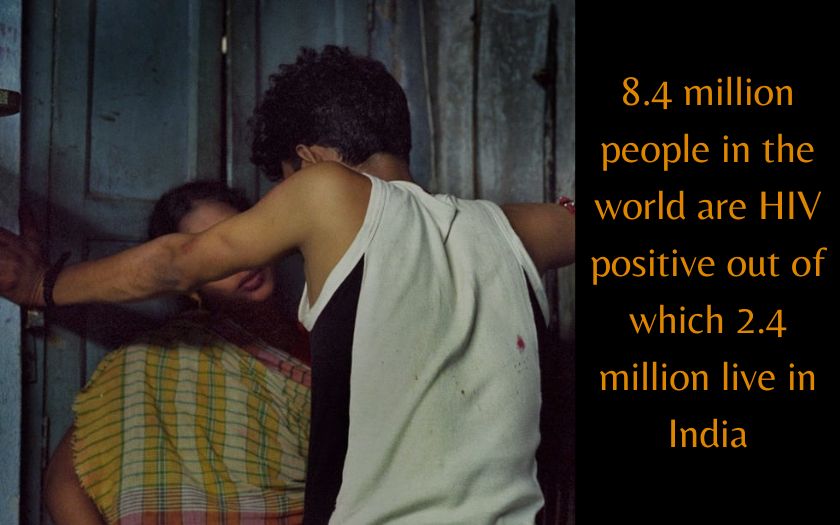
It has been observed that both sex workers and truck drivers have different ways of seducing their sex partners. Prostitutes lure the basic necessities of truck drivers (sexual needs are essential to any human, belonging to any social category) and truck drivers seduce women by money. The commercial sex workers have their homes on the outskirts of the next major city that truckers will pass through and are active during night time and early-morning hours.

Traditionally long distance truck drivers are highly vulnerable to sexually transmitted diseases (STDs) because of their irregular lifestyle marked by high mobility and blind beliefs in age-old myths about sex.
It is believed that in the night journey, a truck driver indulges in sex with a prostitute at least twice. These two encounters are separated by long distance and the reemergence of the need to stop to have intercourse. This is how HIV/AIDS spread in India, further, the carriers of HIV/AIDS may also find sex hotspots in major cities’ red light areas, making it a breeding ground for the spread of diseases in an urban setup. AIDS is not an emergency but a development crisis, emerging over a long period of time.
It is important that the government neither panics nor remains complacent; it should take responsibility and act.
Successful models which address social and economic issues to stop the spread of HIV/AIDS – such as those adopted in Uganda and Brazil- are instructive behavioral change, which will take a long time to happen and is fundamental to dealing with the problems.
What Is the Number of Road Trade Shows?
Transport and communication aid in the development and growth of trade and commerce by facilitating the transfer of products, commodities, and ideas from one area to another. Commerce from a hamlet to an international market is critical to the economy; trade requires transportation and communication.
The total road network in India is 63.32 lakh km comprising all categories of roads – national & state highways and urban & rural roads which is the second largest in the world. National Highways (NH) account for 2% of the total road network and carry over 40% of total traffic.
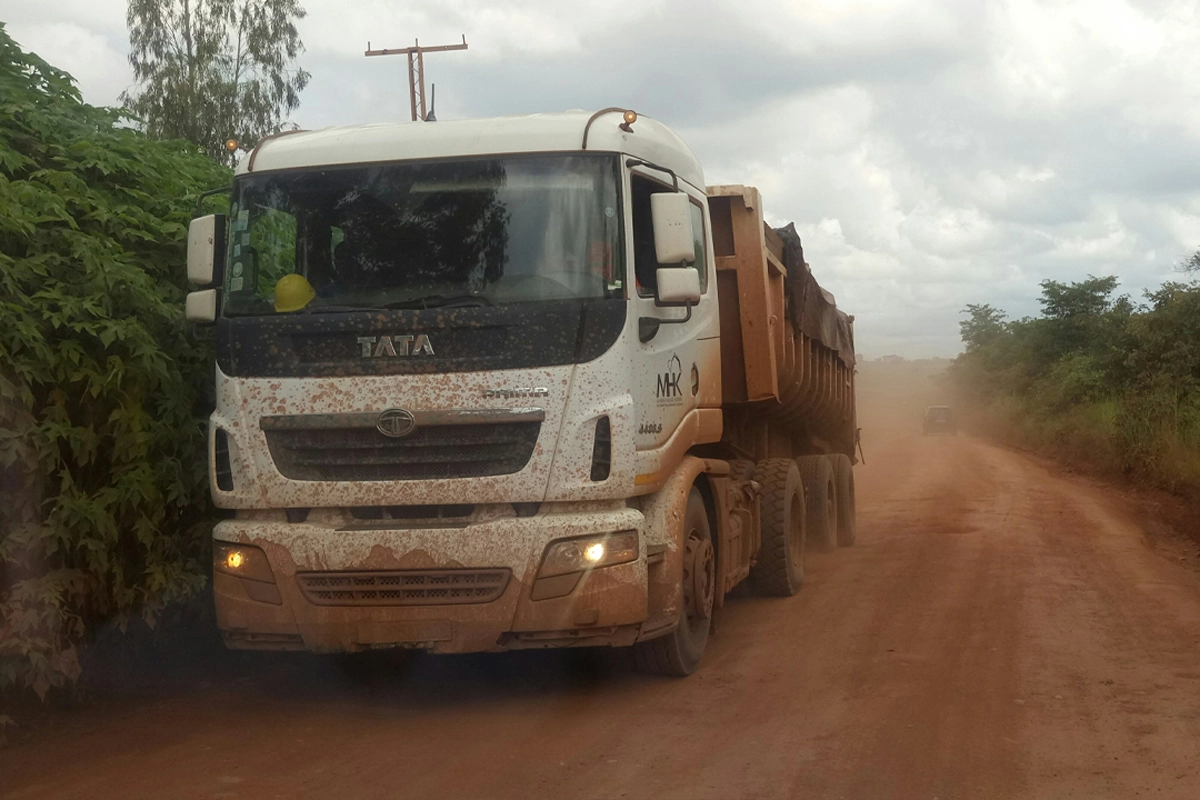
The National Highways have a total length of 1,44,955 km, which in totality serve as the arterial network of the country. Today, over 65 per cent of the country’s freight is being transported on trucks, which strongly confirms the modal shift of cargo transportation from rail to road.
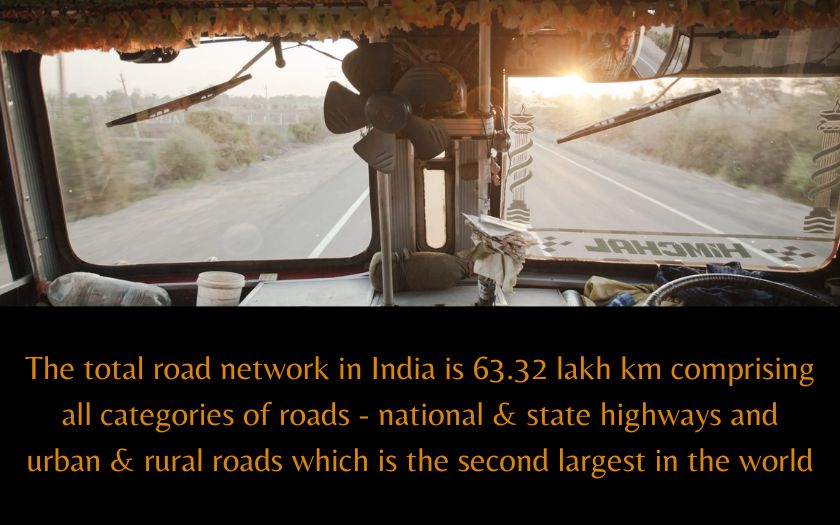
Yet, the sad part of it is that India’s National Highways constitute only about 1.7 percent of the road network, but this capacity carries around 40 percent of the total road traffic. According to available statistics, the number of road vehicles has been growing at an average pace of 12 percent per annum over the last five years.
While these numbers do show the need for a robust truck-freight business, it is also a massive task for health care officials to tackle the spread of HIV/AIDS in India.
East Africa and Latin America In Spotlight
Looking how the same problem was tackled in Uganda, Nigeria and Brazil and other Latin American countries, here is a list of actions taken in these countries
Target specific risk behaviors among long distance truck drivers.
Promote consistent condom use with casual and regular partners and treatment-seeking behavior including completing STI treatment regimens.
Tackle fatalism by promoting a positive attitude to life, improving health and discouraging HIV-risk behaviors.
Provide and encourage entertainment options other than drinking alcohol.
Set up ‘sex worker-friendly’ and ‘long distance truck driver-friendly’ integrated health services providing access to integrated services, paying particular attention to location and operating hours, and the preferences of sex workers and long distance truck drivers regarding service packages.
India has its own programs that are better suited for its population and would be useful going further to stop this epidemic. Till that time, India needs a targeted intervention program, needs to not delete crucial chapters from its education books and make up for the lack of education and myth-busting prevalent among this community of people.
It is imperative to keep the target audience healthy, hearty. If COVID-19 has exposed something, it is India’s in-shambles health structures and how easily a disease can spread along with myths and conceived thought processes about it. So, if India does want its ‘Vishwaguru’ tag to be a real reflection in the world then it needs to first dirty its hands in its own problems.
 FaultLines
One response to “Why Indian Truck Drivers Are Carriers Of Economy & HIV/AIDS”
[…] scene of well-stocked trucks ready to disperse across the country may appear advantageous for the Indian economy. However, among the plethora of trucks, one may encounter a driver who […]